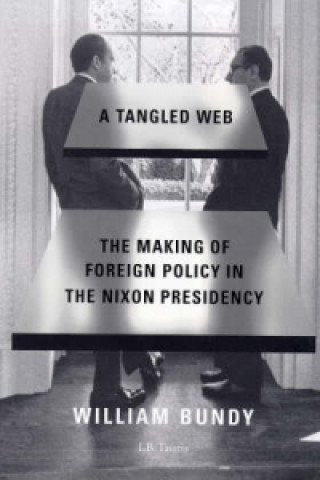
Richard Nixon's accomplishments in foreign affairs - his China policy, detente with the USSR and the conclusion of the Vietnam War - have long been cited as an enduring legacy. Despite the scandal of Watergate, Nixon and Henry Kissinger have maintained their reputations as skilful, wise practitioners of global realpolitik. Those assumptions are reassessed in this account of the Nixon-Kissinger record, which strutinizes not only their policy planning, negotiating techniques, press relations, and political and diplomatic activities, but also short- and long-term gains and losses. Bundy presents an analysis of the modus operandi of Nixon and Kissinger, describing the real dangers of Nixon's manipulative, often deceitful habits and of Kissinger's indifference to the democratic process.