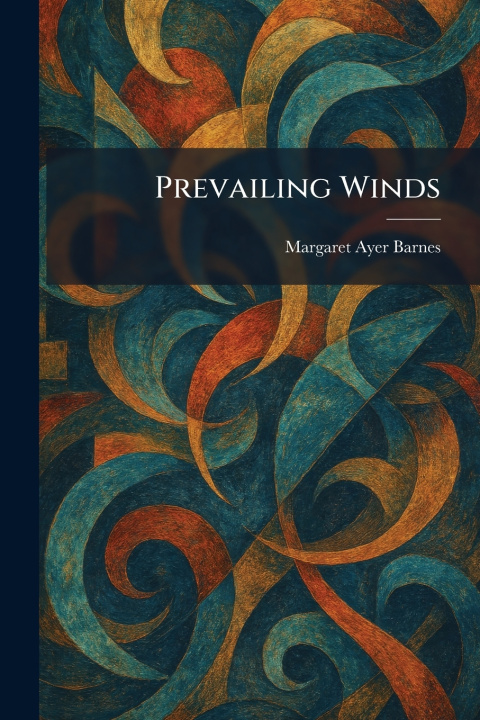
"Prevailing Winds" is a sophisticated collection of short stories that captures the intricate social dynamics and emotional landscapes of early twentieth-century American life. Written with the keen observation and literary grace that would later earn Margaret Ayer Barnes the Pulitzer Prize for Fiction, these stories delve into the lives of the urban upper-middle class, exploring themes of marriage, ambition, and the subtle pressures of social convention.
Each narrative provides a window into the private dilemmas of characters caught between traditional expectations and the shifting mores of a modernizing world. From the drawing rooms of Chicago to the quiet complexities of domestic life, Barnes masterfully portrays the "prevailing winds" of change and circumstance that shape human destiny. The collection highlights the author's ability to render complex psychological portraits with both empathy and sharp insight, making it a significant contribution to American realist fiction. Readers interested in the evolution of twentieth-century literature and the nuanced portrayal of social manners will find "Prevailing Winds" to be a compelling and timeless exploration of the human heart.
This work has been selected by scholars as being culturally important, and is part of the knowledge base of civilization as we know it. This work was reproduced from the original artifact, and remains as true to the original work as possible. Therefore, you may see the original copyright references, library stamps (as most of these works have been housed in our most important libraries around the world), and other notations in the work.
This work is in the public domain in the United States of America, and possibly other nations. Within the United States, you may freely copy and distribute this work, as no entity (individual or corporate) has a copyright on the body of the work.
As a reproduction of a historical artifact, this work may contain missing or blurred pages, poor pictures, errant marks, etc. Scholars believe, and we concur, that this work is important enough to be preserved, reproduced, and made generally available to the public. We appreciate your support of the preservation process, and thank you for being an important part of keeping this knowledge alive and relevant.