The list is the only thing on the fridge. The list is the first thing.
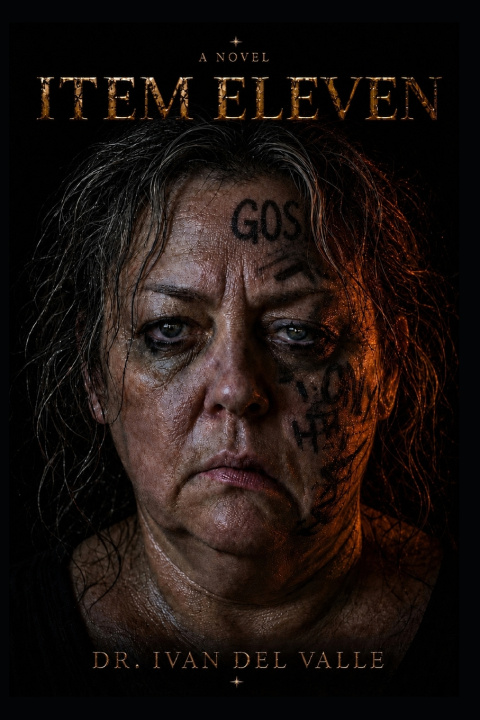
Diane Margaret Whitaker is fifty-seven, divorced, a former third-grade teacher in Mill Valley, California. Nine months ago she read a post online. Tonight, Tuesday, September 15, 2026, she has a list of sixteen items, two of them numbered eleven, and the night to address them all.
From 5:30 PM to 4:20 AM, across a corridor of Highway 101 from Marin County to Sonoma and back, Diane moves from the kitchen of her Mill Valley home to four big-box stores, a cell tower on a ridge above Cotati, and, finally, the cart return at the back of the Whole Foods where the night began. She is alone, she is on a schedule, and she is increasingly not who she has been. Her body is doing things her mind has framed as the gospel making itself visible. Her right hand is closing on its own. Her daughter, Sarah, in an apartment in Oakland, is calling and is not being answered.
Item Eleven is the inside of a wellness-conspiracy radicalization rendered across one night, from first person present tense, with the discipline of literary fiction and the clinical underlay of an evolving stroke. The novel asks what the body knows that the mind cannot say, how an ordinary woman in an ordinary town reaches the moment that becomes her last, and what we owe the people whose names we never learn until the morning news.
A novel in the company of Eimear McBride's A Girl Is a Half-formed Thing, Anna Burns's Milkman, Han Kang's Human Acts, and Ottessa Moshfegh's Eileen.
Content note: This novel depicts violence, including chemical burns and an evolving stroke, rendered from inside the protagonist's consciousness. Reader discretion is advised.
Also available in Spanish as Artículo Once.