Kniha Femininity in Flight Kathleen M. Barry

Femininity in Flight

A History of Flight Attendants

Jazyk: Angličtina
Väzba: Pevná
Vydavateľ: Duke University Press
Dostupnosť: 50 % šanca
Prehľadáme celý svet
143.71
"In her new chic outfit, she looks like anything but a stewardess working. But work she does. Hard,...

Informácie o knihe

Jazyk
Angličtina
Väzba
Kniha - Pevná
Vydalo
2007
Stránok
328
EAN
9780822339342
ISBN
082233934X
Enbook ID
04938483
Hmotnosť
599
Rozmery
160 x 241 x 25

Kompletný popis

"In her new chic outfit, she looks like anything but a stewardess working. But work she does. Hard, too. And you hardly know it." So read the text of a 1969 newspaper advertisement for Delta Airlines featuring a picture of a brightly smiling blond stewardess striding confidently down the aisle of an airplane cabin to deliver a meal. From the moment the first stewardess took flight in 1930, flight attendants became glamorous icons of femininity. For decades, airlines hired only young, attractive, unmarried, white women. They marketed passenger service aloft as an essentially feminine exercise in exuding charm, looking fabulous, and providing comfort. The actual work that flight attendants did - ensuring passenger safety, assuaging fears, serving food and drinks, all the while conforming to airlines' strict rules about appearance - was supposed to appear effortless. The better stewardesses performed by airline standards, the more hidden were their skills and labour. Yet today flight attendants are acknowledged safety experts; they have their own unions. Gone are the marriage bans, the mandates to retire by thirty-two. In Femininity in Flight, Kathleen M. Barry tells the history of U.S. flight attendants, tracing the evolution of their glamorized image as ideal women and their activism as trade unionists and feminists. Barry argues that largely because their glamour obscured their labour, flight attendants unionized in the late 1940s and 1950s to demand recognition and respect as workers and self-styled professionals. In the 1960s and 1970s, flight attendants were one of the first groups to take advantage of new laws prohibiting sex discrimination. Their challenges to airlines' restrictive employment policies and exploitive marketing (including skimpy uniforms and provocative slogans such as 'fly me') made them high-profile critics of the cultural mystification and economic devaluing of "women's work." Barry combines attention to the political economy and technology of the airline industry with perceptive readings of popular culture, newspapers, industry publications, and worker accounts. In so doing, she provides a potent mix of social and cultural history and a major contribution to the history of women's work and working women's activism.

Mohlo by vás zaujímať

300 Homes, Book No. 16

Home Planners Inc
28.28

Wood Pole Structures for Electrical Transmission Lines

Asce Task Committee on Recommended Practice for Wood Pole Structures for Electrical Transmission Lines
129.71
21.63
32.59
43.07
13.01
10.96
16.34

Buried Unsung

Zeese Papanikolas
25.35
18.49

Unseen Colors of the 40's

Marc Jean Di Maggio
15.16

Crossfire

Andy McNab
12.42
54.03

Zákazníci, ktorí si kúpili túto knihu, kúpili tiež

ARISTOTE A PLOTIN (D')

Jacques CHEVALIER
41.21

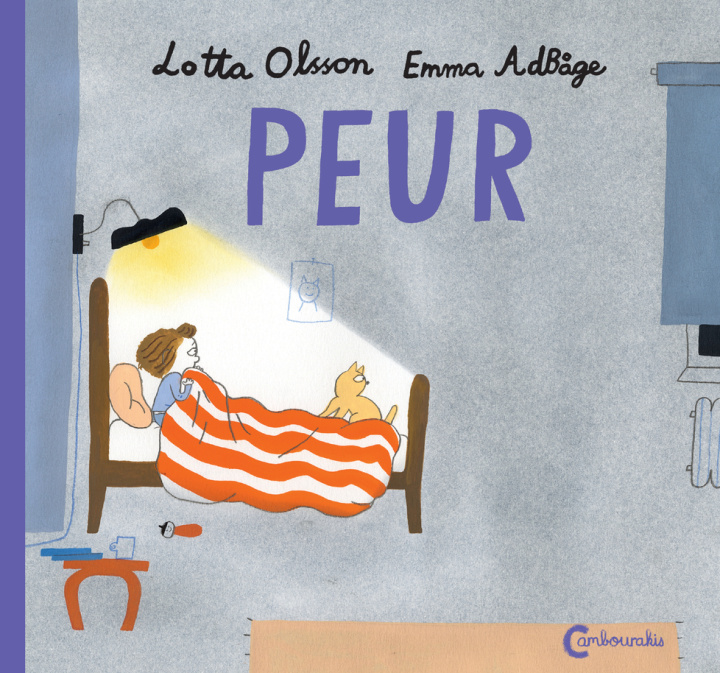
Peur

Olsson
21.82
45.22

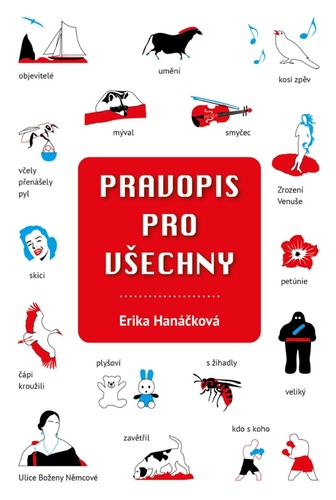
Pravopis pro všechny

Erika Hanáčková
10.06

Schmerzlose Operationen

Carl Ludwig Schleich
25.54