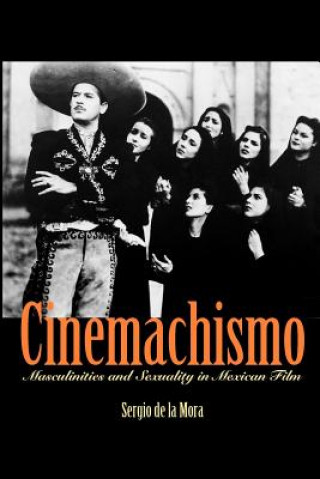
Kniha Cinemachismo Sergio De La Mora

Cinemachismo

Masculinities and Sexuality in Mexican Film

Jazyk: Angličtina
Väzba: Brožovaná
Dostupnosť: Skladom u dodávateľa
Odosielame za 14-21 dní
27.91
After the modern Mexican state came into being following the Revolution of 1910, hyper-masculine mac...


Informácie o knihe

Jazyk
Angličtina
Väzba
Kniha - Brožovaná
Vydalo
2006
Stránok
256
EAN
9780292712973
ISBN
0292712979
Enbook ID
04872633
Hmotnosť
463
Rozmery
152 x 229 x 19

Kompletný popis

After the modern Mexican state came into being following the Revolution of 1910, hyper-masculine machismo came to be a defining characteristic of 'mexicanidad', or Mexican national identity. Virile men (pelados and charros), virtuous prostitutes as mother figures, and minstrel-like gay men were held out as desired and/or abject models not only in governmental rhetoric and propaganda, but also in literature and popular culture, particularly in the cinema. Indeed, cinema provided an especially effective staging ground for the construction of a gendered and sexualized national identity. In this book, Sergio de la Mora offers the first extended analysis of how Mexican cinema has represented masculinities and sexualities and their relationship to national identity from 1950 to 2004. He focuses on three traditional genres (the revolutionary melodrama, the cabaretera [dancehall] prostitution melodrama, and the musical comedy 'buddy movie') and one subgenre (the fichera brothel-cabaret comedy) of classic and contemporary cinema. By concentrating on the changing conventions of these genres, de la Mora reveals how Mexican films have both supported and subverted traditional heterosexual norms of Mexican national identity. In particular, his analyses of Mexican cinematic icons Pedro Infante and Gael Garcia Bernal and of Arturo Ripstein's cult film El lugar sin limites illuminate cinema's role in fostering distinct figurations of masculinity, queer spectatorship, and gay male representations. De la Mora completes this exciting interdisciplinary study with an in-depth look at how the Mexican state brought about structural changes in the film industry between 1989 and 1994 through the work of the Mexican Film Institute (IMCINE), paving the way for a renaissance in the national cinema.

Mohlo by vás zaujímať

7.07

Ten Birthdays

KERRY WILKINSON
10.02
100.26

Is Davis a Traitor?

Albert Taylor Bledsoe
19.95

Dying City

Brian Tochterman
112.16

Audiovisual Translation

Jorge Díaz Cintas
103.31
23.09
15.72
13.06
146.76
9.03

To Clutch a Razor

ROTH VERONICA
15.72

Inside In

Jan Paul Schutten
16.51
27.02

Zákazníci, ktorí si kúpili túto knihu, kúpili tiež

Weedology

Philip Adams
24.47

Wallfahrten im Mittelalter

Marie-Christin Pollak
41.57
4.12
7.95
6.18
12.77
6.87
19.04

Sleeper - Tome 1

Brubaker Ed
42.85
10.74

Das Feld Der Macht

Andreas Schmitz
56.22
6.67