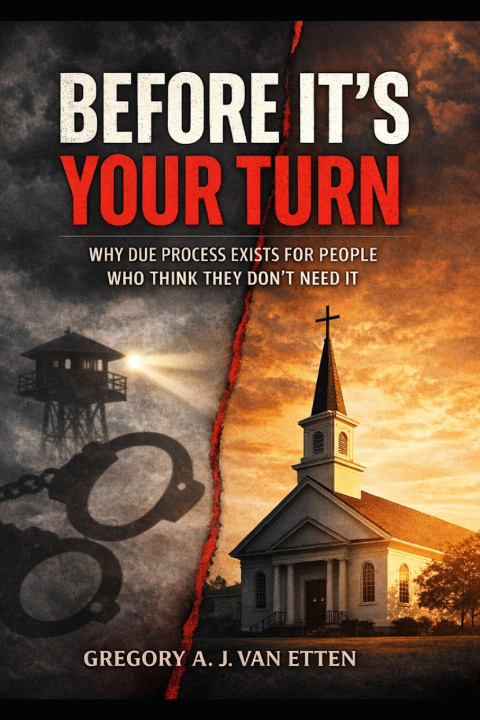
What happens when judgment comes before hearing?
Most people do not ask for tyranny.
They ask for safety.
They ask for order.
They ask for speed.
But Scripture warns that injustice rarely begins with cruelty. It begins when process is skipped-when accusations are assumed instead of tested, when urgency replaces patience, and when authority acts before it listens.
From Genesis to the teachings of Christ, Scripture insists that judgment must be deliberate, restrained, and accountable. Hearing must precede action. Witnesses must establish truth. Power must limit itself.
This book examines:
Part theological reflection and part moral warning, this book asks a single question:
What happens when it is your turn?
Because injustice rarely begins by targeting everyone.
It begins by testing whether process can be skipped.
Why due process reflects biblical principles of righteous judgment
- How fear, certainty, and urgency erode justice
- Why systems that abandon process inevitably misclassify the innocent
- The responsibility of individuals and communities when justice is threatened
- What faithfulness requires when institutions refuse restraint