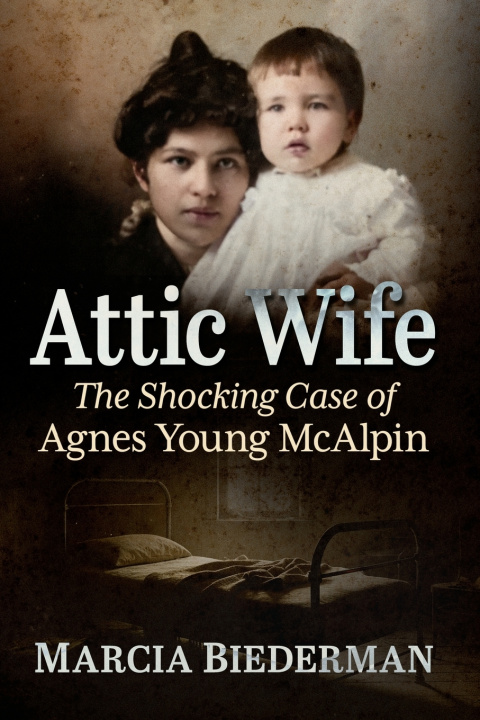
In the aftermath of the Klondike gold rush, Kenneth McAlpin, a young Pennsylvanian lured north by the promise of fortune, married new convent school graduate Agnes Young, a descendant of a Haida chief. However, their 1899 Alaskan marriage stirred violent opposition when McAlpin brought Agnes to Butler, Pennsylvania. There, his family isolated Agnes in the attic, concealed her from visitors, and refused to publicly acknowledge her. Although Agnes gave birth to two children, her husband could not be seen with her, and she was eventually subjected to familial pressures to end her third pregnancy, prompting her flight back to Alaska.
When she eventually returned to Pennsylvania, Agnes discovered that her relatives had continued plotting her demise. In an attempt to assert agency, she faced persecution, rallied community support, and confronted her abusers through the court system, attracting national attention. Informed by court records and Agnes's letters, this work reconstructs a young woman's accounts of racial violence, resilience, and resistance, preserving her voice for generations to come.