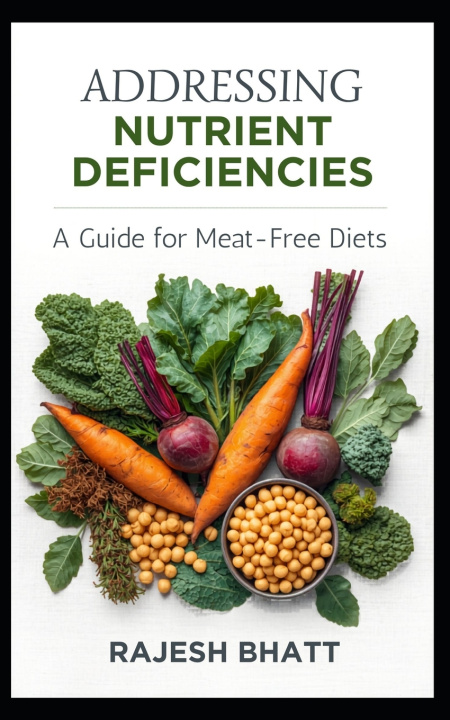
Adopting a meat-free diet offers significant health and environmental benefits, but it requires intentional planning to ensure the body receives all essential micronutrients. Because plant-based sources of certain vitamins and minerals are not always as bioavailable as those found in animal products, vegetarians and vegans must be proactive in diversifying their plates. Key areas of focus include incorporating iron-rich plant foods like lentils and spinach alongside vitamin C to enhance absorption, ensuring adequate intake of vitamin B12 through fortified foods or supplements, and obtaining omega-3 fatty acids from sources like flaxseeds, chia seeds, and walnuts. By prioritizing nutrient-dense whole foods-such as legumes, nuts, seeds, and leafy greens-and staying informed about potential gaps, individuals can thrive on a meat-free diet while maintaining optimal energy levels and long-term health.